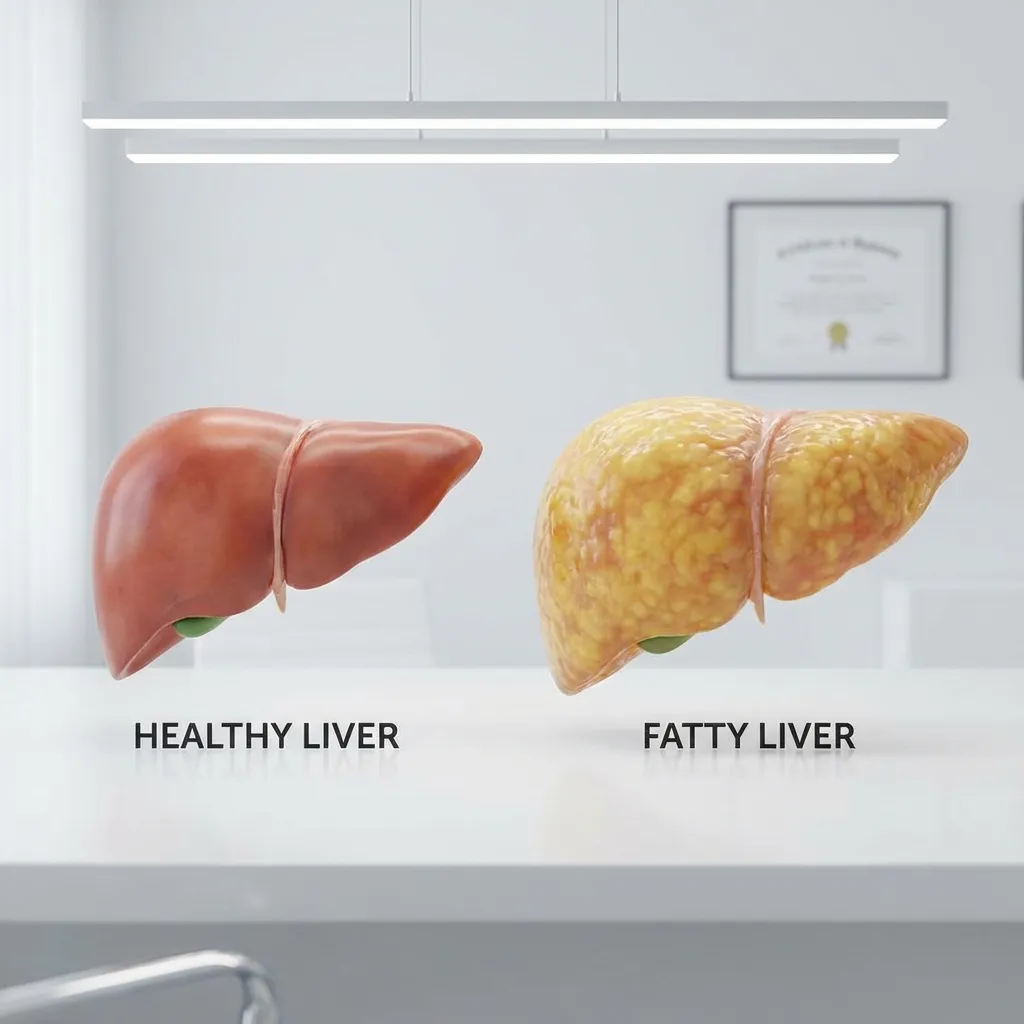
Green tea has a reputation as a health drink – and is often sold in capsules for weight loss or liver support. But there is a key difference: tea is safe; high-dose extract can damage the liver.
Tea versus extract
The European Food Safety Authority (EFSA) reviewed the safety of green tea catechins in 2018. Result: from normal brewed tea, adults typically get 90–300 mg of EGCG a day – with no signs of liver damage, even at high intake. With supplements providing about 800 mg of EGCG or more per day, however, early signs of liver injury appeared (raised liver enzymes). EFSA could not identify a safe dose for extracts.
The NIH LiverTox database also describes many cases of liver injury from green tea extracts – some severe, rarely leading to liver failure. Taking extracts on an empty stomach appears especially risky.
Any benefit for fatty liver?
Small studies suggest green tea catechins might slightly improve liver enzymes and liver fat; observational data link tea drinking to a somewhat lower fatty liver risk. But the data are limited – and for people with liver problems, the risk of concentrated extracts outweighs the potential benefit.
Our recommendation
- Drink green tea (2–4 cups a day) instead of swallowing extract capsules.
- With existing liver disease, no green tea extracts without medical advice.
- Avoid "fat burner" and weight-loss products – they often contain high-dose green tea extract combined with other ingredients.
- If you do use an extract: check the EGCG content, stay well below 800 mg a day and take it with food.
More criteria for safe products are in our liver supplement buying guide. Well-tolerated alternatives include coffee and milk thistle.
When to see a doctor
If fatigue, nausea, dark urine, yellowing or upper abdominal pain appear after starting a green tea product: stop it immediately and have your liver enzymes checked.
Frequently asked questions
Is green tea bad for the liver? No. As a drink, green tea is considered safe. The risk concerns concentrated extracts.
How much EGCG is safe? No safe dose has been established for extracts; from about 800 mg a day, liver enzymes rose in studies.
Is matcha an extract? No, matcha is ground tea leaves. Normal amounts as a drink are considered safe.
Quality green tea and matcha can be found in our recommendations below.