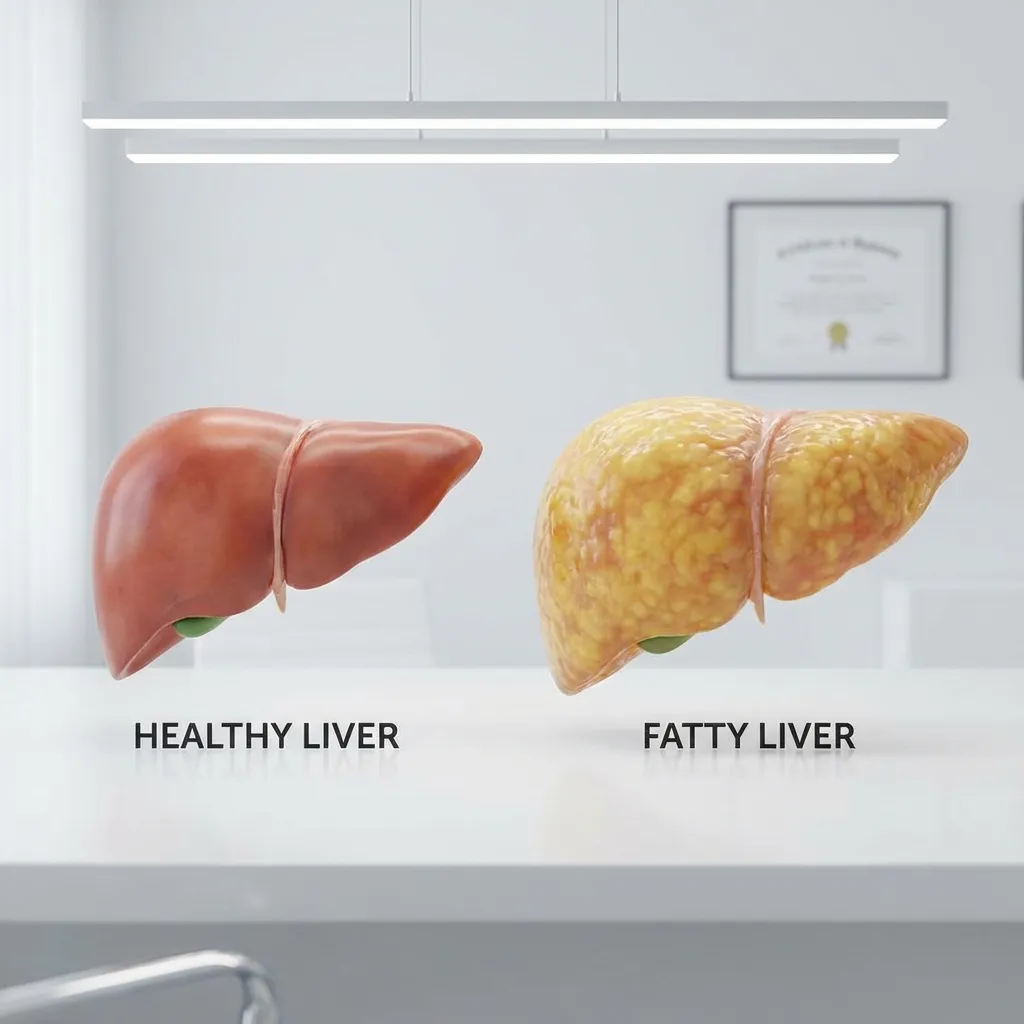
Vitamin E is one of the few nutrients that clearly improved the liver in fatty liver inflammation in a large trial. Still, it is not for everyone. Here is what is proven, who may benefit and what risks a high dose carries.
The PIVENS trial
In the PIVENS trial (New England Journal of Medicine, 2010), 247 adults without diabetes with biopsy-proven fatty liver inflammation (NASH, now called MASH) took either 800 IU of natural vitamin E daily, the diabetes drug pioglitazone or a placebo for 96 weeks. Liver tissue improved in 43% of the vitamin E group versus 19% on placebo. Liver fat and inflammation decreased – scarring (fibrosis), however, did not improve significantly.
Who may be a candidate
Guidelines consider vitamin E an option for selected adults without diabetes who have proven MASH – not for simple fatty liver without inflammation, and not as a self-experiment. The decision belongs with your doctor because it requires a confirmed diagnosis and a weighing of risks.
Risks of high doses
- Bleeding risk: vitamin E can strengthen the effect of blood thinners (e.g. warfarin) and antiplatelet drugs.
- Prostate cancer: in the large SELECT trial, high-dose vitamin E (400 IU/day) was linked to a slightly higher prostate cancer risk.
- Stroke: some analyses found a somewhat higher risk of hemorrhagic stroke.
- The NIH sets the safe upper limit for adults at 1,000 mg/day (about 1,500 IU of natural vitamin E) – 800 IU is already a therapeutic dose.
Natural or synthetic?
PIVENS used natural vitamin E (RRR-alpha-tocopherol, "d-alpha-tocopherol"). Synthetic "dl-alpha-tocopherol" is only about half as potent per mg. If your doctor recommends it, check the form and the amount in IU.
First things first
Lifestyle remains the most effective treatment: losing 7–10% of body weight can reverse fatty liver inflammation. Well-studied add-ons include omega-3, coffee and, for metabolic problems, berberine.
When to see a doctor
Before taking high-dose vitamin E, fatty liver inflammation should be diagnosed. Talk to your doctor, especially if you take blood thinners, have prostate problems or have surgery planned.
Frequently asked questions
Does vitamin E help every fatty liver? No. The benefit is mainly proven for adults without diabetes who have confirmed fatty liver inflammation (MASH).
How long do you need to take vitamin E? In PIVENS the effect was measured after almost two years. Whether and how long is up to your doctor based on follow-up values.
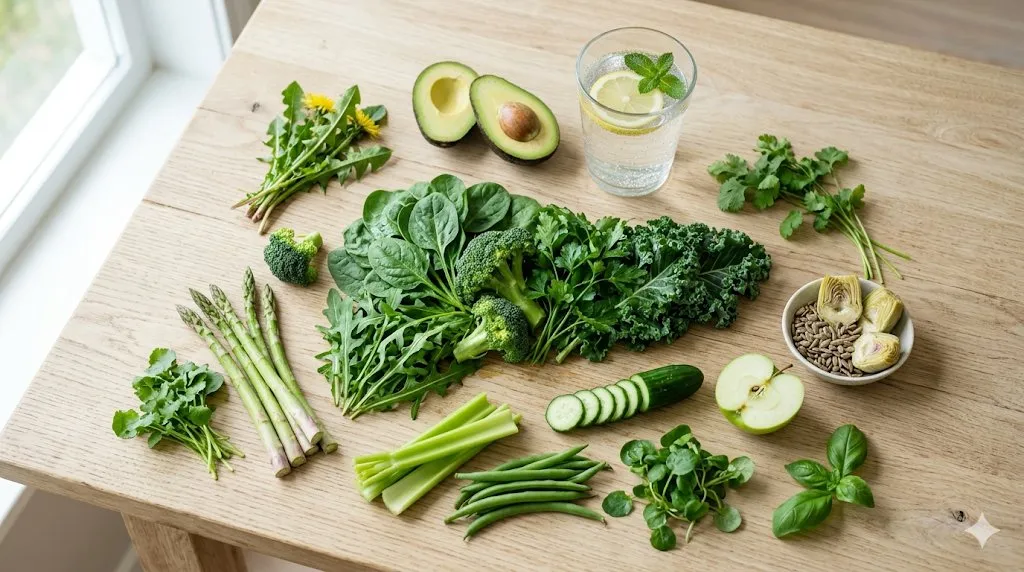
Is vitamin E from food enough? For general needs yes (nuts, seeds, plant oils). The study dose of 800 IU cannot be reached through food alone.
Natural vitamin E supplements can be found in our recommendations below – high doses only after talking to your doctor.