Anyone who has had a kidney colic never wants to feel it again. And the risk is real: after a first stone, about half of people have another within ten years. The good news: up to 80% of stones can be prevented naturally with simple measures. This guide shows the types, how to recognise them and how to steer against them.
Types of kidney stones
- Calcium oxalate – by far the most common (about 70–80%).
- Uric acid stones – favoured by acidic urine and a purine-rich diet.
- Struvite (infection) stones – after recurrent urinary tract infections.
- Cystine stones – rare, hereditary.
Which type you have determines the best prevention – which is why stone analysis after a stone is so valuable.
Causes & risk factors
The biggest risk factor is too little fluid: concentrated urine lets stone-forming substances crystallise. Other drivers:
- A salt-rich diet (raises calcium excretion)
- Too much animal protein (lowers citrate, acidifies urine)
- Overweight, diabetes and metabolic syndrome
- Low urinary citrate
- Too little dietary calcium (more free oxalate)
Symptoms of a kidney colic
Typical are sudden, wave-like pains in the flank or back radiating to the lower abdomen and groin, often with nausea. Blood in the urine, burning on urination or frequent urge may accompany them. Small stones often pass on their own; larger ones can block the urinary tract.
Diagnosis
Clarification uses a urine test, blood values (calcium, uric acid, kidney function) and imaging by ultrasound or CT. For recurrent stones, a 24-hour urine collection and stone analysis reveal the cause – the basis of any targeted prevention.
The most important prevention rules
- 2.5–3 litres of water a day – so the urine stays light yellow. The single most effective measure.
- Reduce salt – less sodium lowers calcium excretion in the urine.
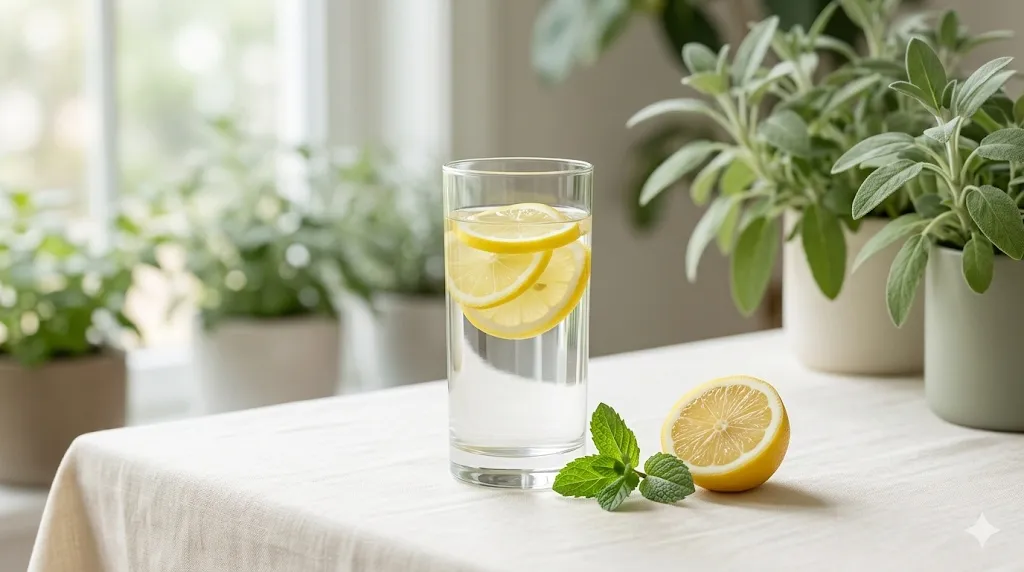
- Increase citrate – e.g. via lemon or lime juice; citrate inhibits crystal formation.
- Enough dietary calcium – it binds oxalate already in the gut. Don't avoid calcium unnecessarily!
- Oxalate-rich foods (spinach, rhubarb, nuts) in moderation and best together with a calcium source.
- Keep animal protein moderate.
Nutrition in detail
Well supported is the DASH diet (plenty of vegetables, fruit, whole grains, low-fat dairy, little salt and sugar) – it clearly lowers stone risk. A practical trick: combine oxalate-rich foods with a calcium source (e.g. spinach with yoghurt) so oxalate is bound in the gut and not excreted via the kidneys. More in our article Kidney-friendly nutrition & proper hydration.
Which nutrients & plants help?
These natural helpers are the best studied – each with its own article:
- Magnesium citrate – binds oxalate and supplies protective citrate.
- Potassium citrate – raises urinary citrate and pH (also doctor-prescribed).
- Lemon juice – a natural citrate source for every day.
- Vitamin B6 – can lower the body's own oxalate production.
- Chanca Piedra – traditional "stone breaker" from the rainforest.
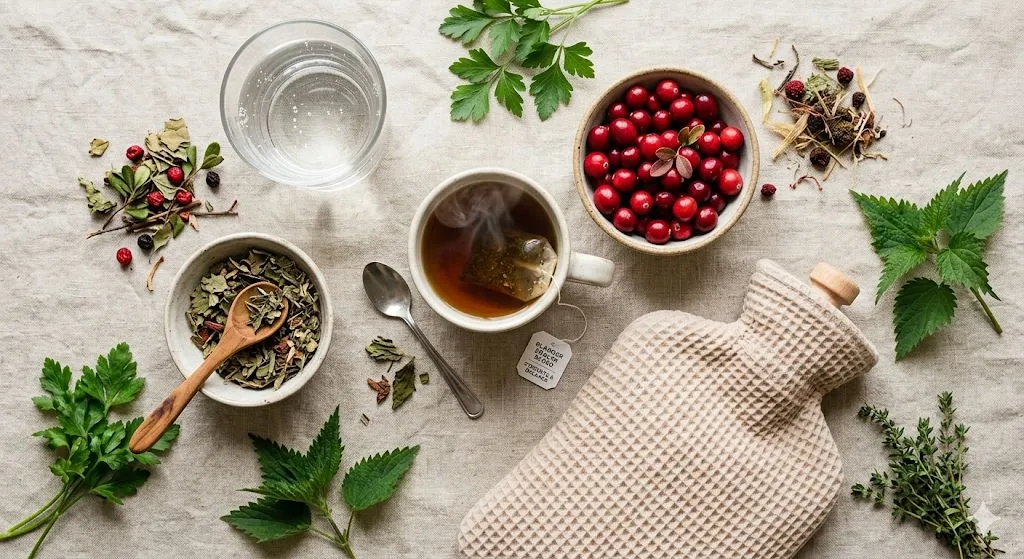
- Nettle and goldenrod – for gentle flushing of the urinary tract.
- Cranberry – mainly to protect against urinary infections (caution with oxalate stones).
With reduced kidney function, supplement only after consulting a doctor.
Common myths
"You must avoid calcium." False – enough dietary calcium lowers the risk because it binds oxalate in the gut. Only high-dose calcium supplements can be unfavourable.
"Beer flushes out stones." More fluid helps, but alcohol dehydrates and promotes uric acid – not a suitable remedy.
When to see a doctor
Seek immediate medical help for severe, uncontrollable pain, fever with chills (sign of infection), visible blood in the urine or absence of urination. Recurrent stones should be assessed by a urologist (stone analysis!).
Frequently asked questions
Should I avoid calcium? No – enough dietary calcium actually lowers the risk because it binds oxalate in the gut.
Does lemon water really help? Yes, it raises protective citrate in the urine – a simple, cheap measure.
How quickly does drinking more work? Protection starts immediately; the lasting habit is what counts.
Do kidney stones pass on their own? Small stones (under 5 mm) often yes; larger or stuck ones need medical treatment.
Which diet prevents best? A low-salt, vegetable-rich DASH diet with enough fluid and citrate.
Suitable natural remedies (magnesium citrate, lemon juice concentrate, etc.) can be found in our recommendations below.