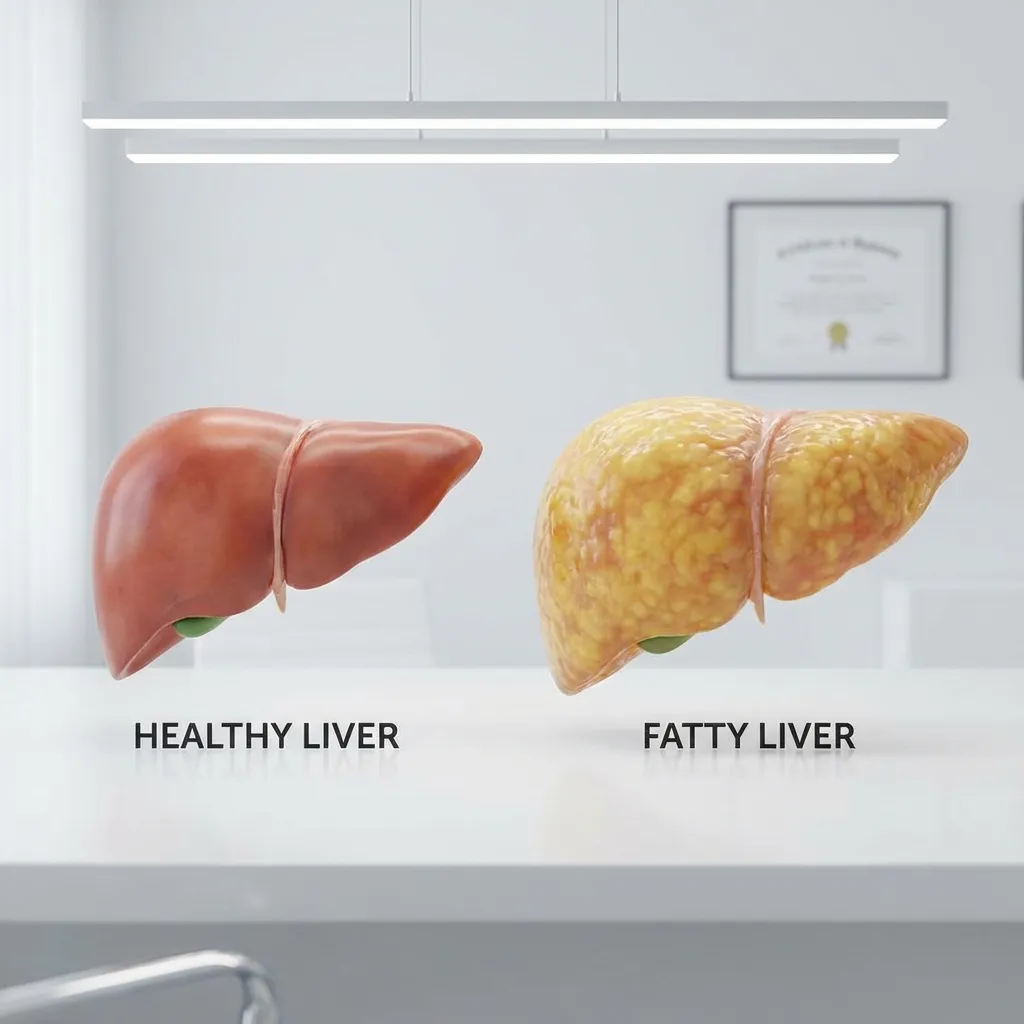
With fatty liver, every plate counts. Which foods burden the liver most – and what should you eat instead? Here are the key points, based on current guidelines.
1. Sugary drinks and fruit juice
Soda, sweet tea, energy drinks and large amounts of fruit juice deliver lots of fructose, which the liver converts directly into fat. In studies, drinking more than four sodas a week was already linked to a markedly higher fatty liver risk. Better: water, unsweetened tea, coffee without sugar.
2. Sweets and sweetened snacks
Cookies, cakes, granola bars and sweetened yogurts combine sugar with fat – a mix that lands in the liver especially easily. Better: a handful of nuts, berries, plain yogurt.
3. White flour and highly processed carbs
White bread, bagels, refined pasta and ready meals spike blood sugar and insulin. Better: whole grains, oats, legumes – they provide fiber and keep you full longer.
4. Processed meat and fried food
Sausages, bacon, fast food and deep-fried dishes are high in saturated fat, salt and often trans fats. Better: fish, poultry, beans, tofu; bake or steam instead of frying.
5. Alcohol
Alcohol is a direct liver toxin and worsens fatty liver damage. With advanced fibrosis, guidelines advise avoiding it completely. Otherwise: as little as possible.
6. Too much salt
Salt is not directly harmful to the liver, but it promotes high blood pressure – common alongside fatty liver. Processed foods are the biggest salt source.
What to put on your plate instead
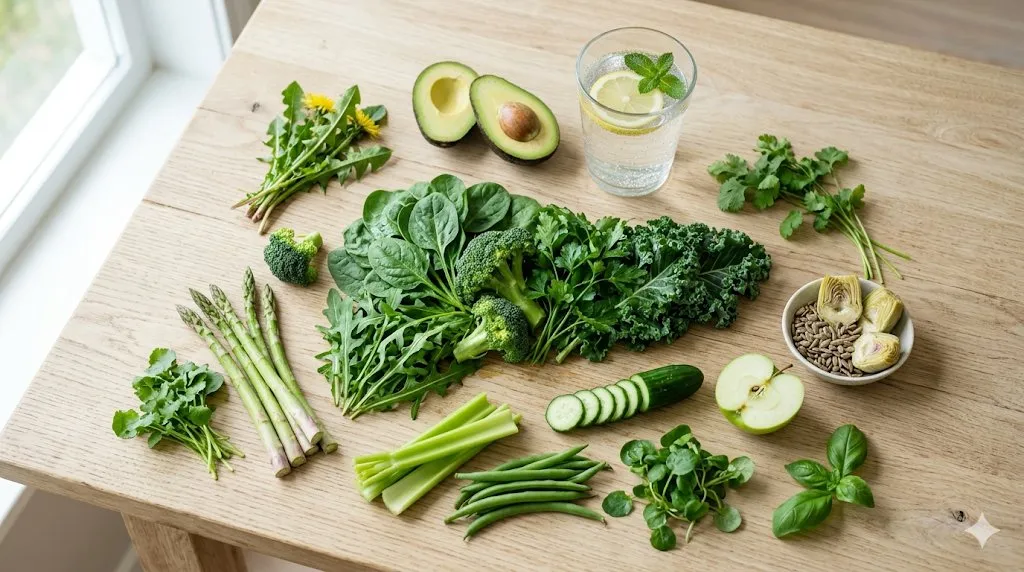
The 2024 European guidelines (EASL/EASD/EASO) recommend a Mediterranean diet: plenty of vegetables, legumes, whole grains, olive oil, nuts and fish. It helps the liver even without major weight loss. Concrete ideas are in our liver-friendly foods and the fatty liver guide.
When to see a doctor
Have liver values and ultrasound checked regularly – especially with diabetes, severe overweight or raised values. With yellowing, a swollen abdomen or confusion, seek medical help immediately.
Frequently asked questions
Can I eat fruit with fatty liver? Yes. Whole fruit provides fiber and little fructose per serving. Juices and sweetened drinks are the main problem.
Can I eat eggs with fatty liver? In normal amounts, yes – eggs provide protein and choline, which the liver needs to export fat.
Are "light" products a good alternative? Not automatically: many swap fat for sugar. Whole, unprocessed foods are the better choice.
Kitchen helpers and liver-friendly basics can be found in our recommendations below.