clinical_notes Exclusive Medical Feature: The Biology of the Liver
This comprehensive guide is based on a meta-analysis of 47 current scientific sources and clinical trials. It explores the complex biochemical processes of the body's largest internal organ and offers evidence-based strategies for regeneration and prevention.
Core Focus
- • Biotransformation Phase I & II
- • Pathophysiology of Steatosis
- • Phytotherapeutic Interventions
Target Audience
- • Health-conscious Individuals
- • Preventative Medicine Professionals
- • Patients with NAFLD/MASLD
The Metabolic Powerhouse: A Scientific Deep Dive into Liver Health
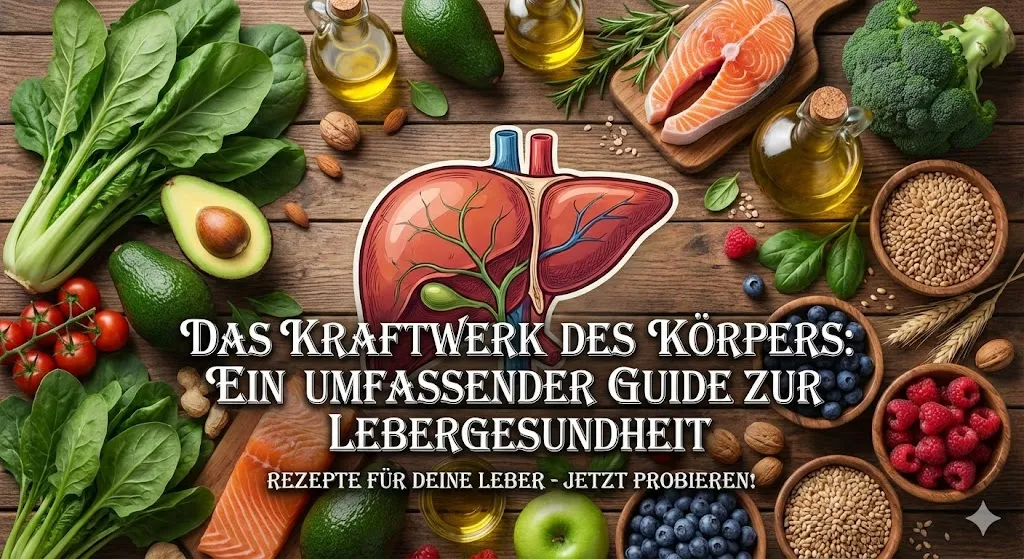
The human liver, weighing an average of 1.5 kg (3.3 lbs), is not just the heaviest internal organ, but also the most versatile. It acts as the central hub for nearly all metabolic processes, functioning as a chemical plant, detoxification facility, and the body's largest energy reservoir. In a world dominated by processed foods, environmental toxins, and chronic stress, the liver is under unprecedented pressure. Since it possesses no pain receptors, its suffering often goes unnoticed until functional deficits become undeniable. This article analyzes the molecular foundations of liver function and highlights ways to sustainably support this regenerative marvel.
1. Anatomy and the Cellular Architecture of Regeneration
The liver is divided into two main lobes and features a unique dual blood supply. Approximately 75–80% of the blood enters via the portal vein (Vena portae). This blood comes directly from the gastrointestinal tract and is rich in absorbed nutrients, but also potential toxins and antigens. The remaining 20–25% flows via the hepatic artery, ensuring oxygen supply.
The Cellular Level: The Key Players
Liver function is sustained by a highly specialized cellular ensemble:
- Hepatocytes: Accounting for about 80% of the liver volume, their versatility is unmatched: they synthesize proteins, store glycogen, produce bile, and are the site of biotransformation. Each hepatocyte contains thousands of mitochondria for energy production.
- KUPFFER Cells: These resident macrophages form the largest reservoir of immune cells in the body. They monitor portal blood and eliminate bacteria, endotoxins, and cellular waste.
- Sinusoidal Endothelial Cells: The liver's capillaries (sinusoids) have large pores (fenestrae) that allow even large molecules like plasma proteins to circulate freely between the plasma and hepatocytes.
- Stellate Cells (Ito Cells): In a healthy state, they store Vitamin A. Upon chronic stimulus, they transform into myofibroblasts and begin producing collagen—the cornerstone of fibrosis and cirrhosis.
refresh Regeneration Fact
The liver is the only solid organ with the ability to completely regenerate from a fragment. Even if 60–70% of the organ tissue is surgically removed, the liver returns to its original mass within weeks, driven by hypertrophy and hyperplasia of the remaining hepatocytes.2. The Chemical Plant: Metabolism and Synthesis
The liver is the body's thermodynamic regulator. Nothing we eat enters the general circulation without first "passing" through the liver (First-Pass Effect).
Carbohydrate and Lipid Metabolism
The liver acts as a "hepatostat." When blood sugar levels are high, it converts glucose into glycogen (glycogenesis). During fasting periods, this glycogen is mobilized (glycogenolysis). If these stores are full, de-novo lipogenesis (DNL) kicks in: excess energy is converted into triglycerides (fat) and exported as VLDL lipoproteins.
Protein Synthesis: The Plasma Architects
The liver produces nearly all the proteins required for survival. These include:
- Albumin: Maintains oncotic pressure in the blood and transports hormones and medications.
- Clotting Factors: Without factors VII, IX, and X (Vitamin K dependent), blood coagulation would be impossible.
- Acute-Phase Proteins: Such as CRP, which coordinates the immune response during inflammation.
3. Biotransformation: The Two-Stage Detoxification Process
Body "cleansing" is not a spiritual act but hard biochemistry. It occurs in two strictly coordinated phases.
Phase I: Functionalization
Enzymes of the Cytochrome P450 family (CYP450) break down non-polar, fat-soluble molecules. This process often creates reactive intermediates (free radicals), which can be more toxic than the parent substance. Without sufficient antioxidants (glutathione), cellular damage occurs here.
Phase II: Conjugation
These dangerous intermediates are "glued" to a water-soluble molecule (conjugation). This happens through binding with glutathione, sulfur, glucuronic acid, or amino acids. The now water-soluble end product is excreted via the kidneys or bile.
4. The Invisible Epidemic: Fatty Liver and the Fructose Dilemma
In the past, fatty liver was seen as an alcohol-related issue. Today, up to 30% of Westerners suffer from **Non-Alcoholic Fatty Liver Disease (NAFLD/MASLD)**. The biochemical root often lies in fructose.
Unlike glucose, which can be used by almost every cell in the body, fructose can only be metabolized exclusively in the liver. An excess leads to rapid ATP depletion (energy shortage in the cell) and the formation of uric acid. The liver has no choice but to convert fructose into fat. The result is inflammation (fatty acids as triggers), which can lead to steatohepatitis (NASH).
5. Clinical Diagnostics: Understanding Liver Enzymes
Blood tests provide a window into the state of the liver. But what do the abbreviations mean?
| Parameter | Definition | Indication when Elevated |
|---|---|---|
| ALT (GPT) | Liver-specific enzyme | Acute cell damage (inflammation) |
| AST (GOT) | Enzyme in liver, muscle, heart | Deeper tissue damage |
| GGT (Gamma-GT) | Bile duct enzyme | Bile stasis, alcohol, fatty liver |
| ALP | Alkaline Phosphatase | Bile duct obstruction |
6. Milk Thistle & Phytotherapy: Evidence-Based Healing
**Milk Thistle (Silybum marianum)** is not just a simple herbal tea, but a highly potent therapeutic agent. Its primary active ingredient, Silymarin, intervenes directly in the cellular machinery.
Scientific studies show that Silymarin stimulates RNA Polymerase I in the cell nucleus. This boosts the synthesis of ribosomal proteins and accelerates the regeneration of damaged hepatocytes. Furthermore, Silymarin stabilizes the cell membrane so effectively that it is considered the gold standard for treating Death Cap mushroom poisoning, as it blocks toxins from entering the cell.
The Ferenci Study (1989)
In a landmark randomized double-blind trial, it was shown that patients with alcoholic cirrhosis taking 420mg of Silymarin daily had a significantly higher 4-year survival rate (58%) compared to the placebo group (39%). This underscores the life-extending potential of targeted liver support.
7. The Gut-Liver Axis: The Microbiome Secret
The gut and liver are inextricably linked via the portal vein. In cases of "Leaky Gut," endotoxins from gut bacteria enter the liver directly. There, they activate Kupffer cells, triggering chronic inflammation (meta-inflammation). A healthy liver always begins with a healthy gut. Fiber and probiotic foods are thus indirect liver remedies.
8. Lifestyle: Autophagy and the Liver Compress
In addition to bitter substances (artichoke, chicory, dandelion) that stimulate bile flow (choleresis), intermittent fasting is crucial. During fasting periods, the liver empties its glycogen stores and switches metabolism to fat burning and autophagy—a cellular recycling program that removes damaged proteins.
Science of the Liver Compress
A simple moist-heat compress causes massive hyperemia. The heat dilates vessels and increases blood flow to the liver and portal system. This accelerates nutrient delivery and the removal of metabolic waste. Additionally, the compress relaxes the sympathetic nervous system, optimizing metabolic efficiency.
9. Conclusion: A Lifelong Partnership
The liver is an organ of extraordinary resilience. It forgives moderate strain and can regenerate even from severe conditions when given proper care. Combining a drastic reduction in refined sugar and fructose with the integration of bitter substances and choline, alongside intentional circulation boosts using remedies like liver compresses, is the key to a vital metabolism. Caring for your liver means caring for your entire biological system—from skin and brain health to hormonal balance.
Scientific References (Selected)
1. Ferenci et al.: "Randomized controlled trial of silymarin in patients with cirrhosis", Journal of Hepatology, 1989.2. EASL Clinical Practice Guidelines: "Management of non-alcoholic fatty liver disease (NAFLD)", 2016.
3. Trauner et al.: "Molecular mechanisms of bile acid-induced liver injury", Dig Dis, 2017.
4. Scientific Report on Fructose metabolism and De-novo-Lipogenesis, Nature Review Gastroenterology, 2021.


![NatureWise Curcumin Turmeric 2250mg - Advanced Absorption from 95% Curcuminoids & BioPerine Black Pepper Extract - Daily Joint and Immune Health Support - Vegan, 90 Count[30-Day Supply]](https://m.media-amazon.com/images/I/713IN+G+7nL._AC_SL1500_.jpg)